FIZE Medical closes the gap in fluid management with real time clinical intelligence,
supporting early intervention and better patient outcomes.
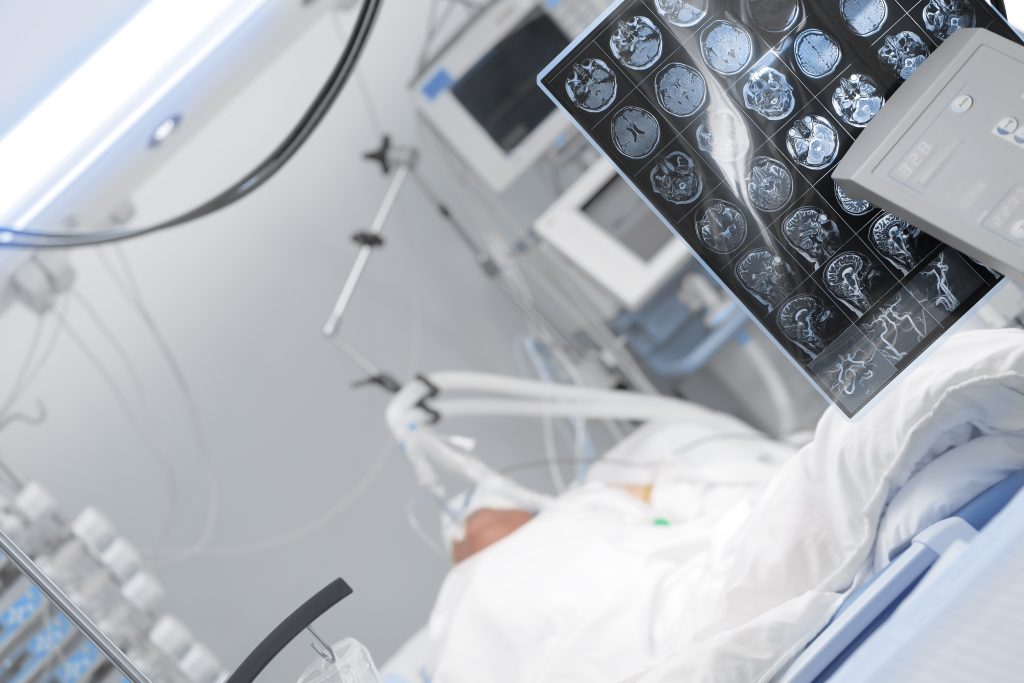
Physicians face multiple challenges in managing fluids in critically ill patients: Fragmented information from different sources, urine-output data reflecting response to fluid boluses or diuretics is not available in real time, and the manually recorded UO data is prone to inaccuracies1 and is not streamlined in the EMR.
Inadequate fluid management can result in fluid overload or hypovolemia, increasing morbidity and mortality. Beyond the clinical impact, fluid mismanagement represents a significant economic burden, amounting to billions of dollars annually in the US alone.*
Patients die of AKI per year in the US alone
Estimated annual cost of hospital-acquired AKI to US healthcare system
Of ICU patients develop sepsis after AKI diagnosis
Higher inpatient mortality rate for those with AKI
*Data presented are based on published literature and represent general clinical context. They are not specific to FIZE kUO performance
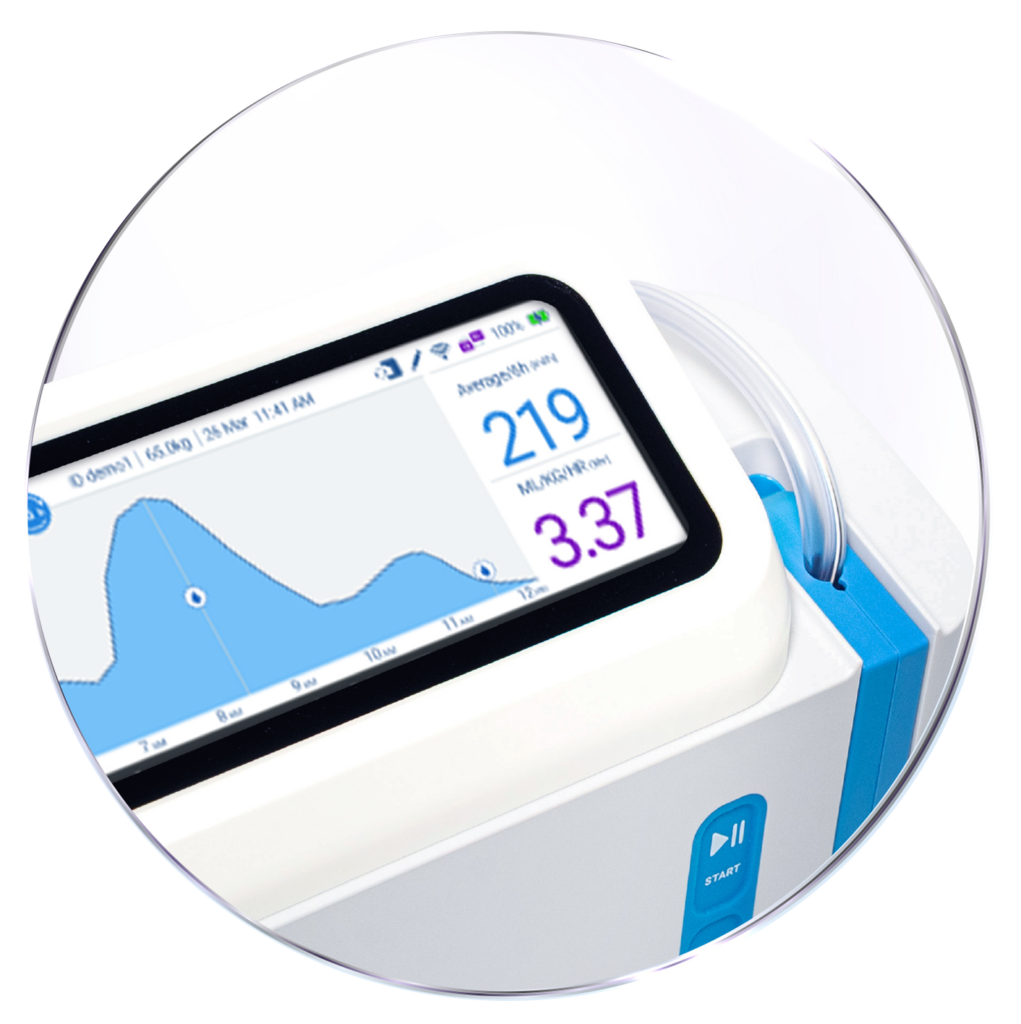
FIZE Medical’s flagship platform, FIZE kUO, delivers continuous, real-time urine-output data to clinicians, supporting earlier detection of acute kidney injury. By transforming urine output into actionable insight, it enables earlier intervention and improved patient outcomes.
360° Fluid Management
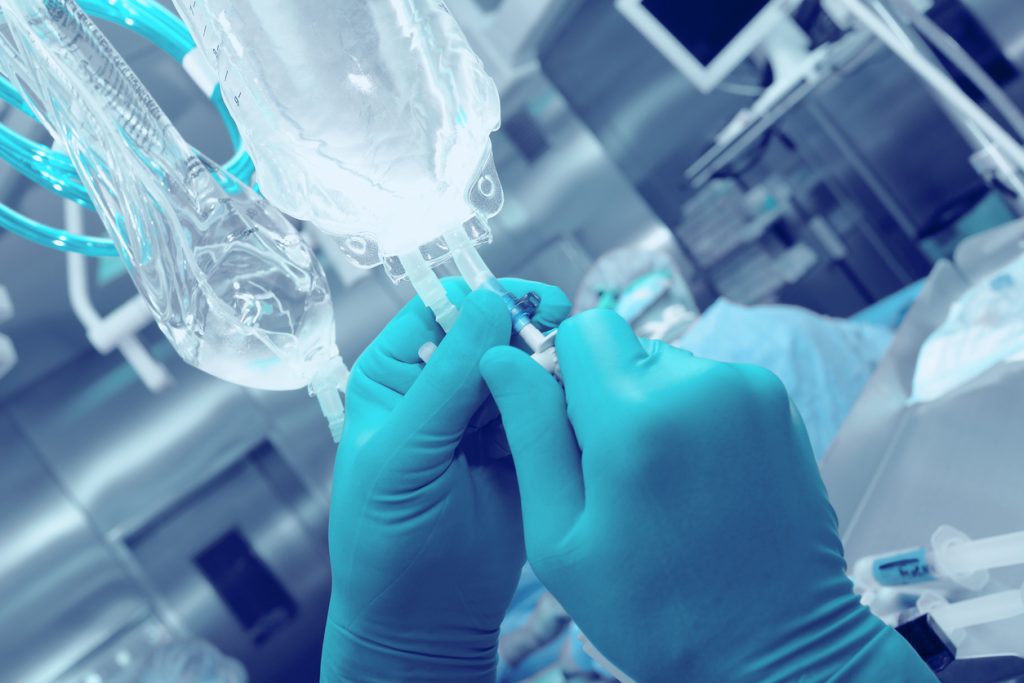
Intervention is started and fluid levels are automatically adjusted.
Clinicians are alerted to potential imbalance.
The platform provides prediction of kidney deterioration for treatment optimization.
FIZE kUO captures urine output data.
Urine analysis is conducted within the FIZE bedside monitor.
An AI-driven analytics engine analyzes patient data from the EMR and other sources.
FIZE kUO captures urine output data.
Urine analysis is conducted within the FIZE bedside monitor.
An AI-driven analytics engine analyzes patient data from the EMR and other sources.
The platform provides prediction of kidney deterioration for treatment optimization.
Clinicians are alerted to potential imbalance.
Intervention is started and fluid levels are automatically adjusted.
“According to accumulated clinical data, hospital-acquired AKI is caused by various factors.
Despite nurses’ best efforts, it’s hard to optimize every encounter in someone’s hospital stay.
This is why it is highly beneficial to have an accurate detection system, such as the FIZE kUO, supporting early AKI treatment.”
Automatic, independent, precise, and timely measurement of urine output is crucial for effective monitoring of the critically ill patient. It guides our treatment strategies, informs our interventions, and ultimately impacts patient outcomes
We value your privacy